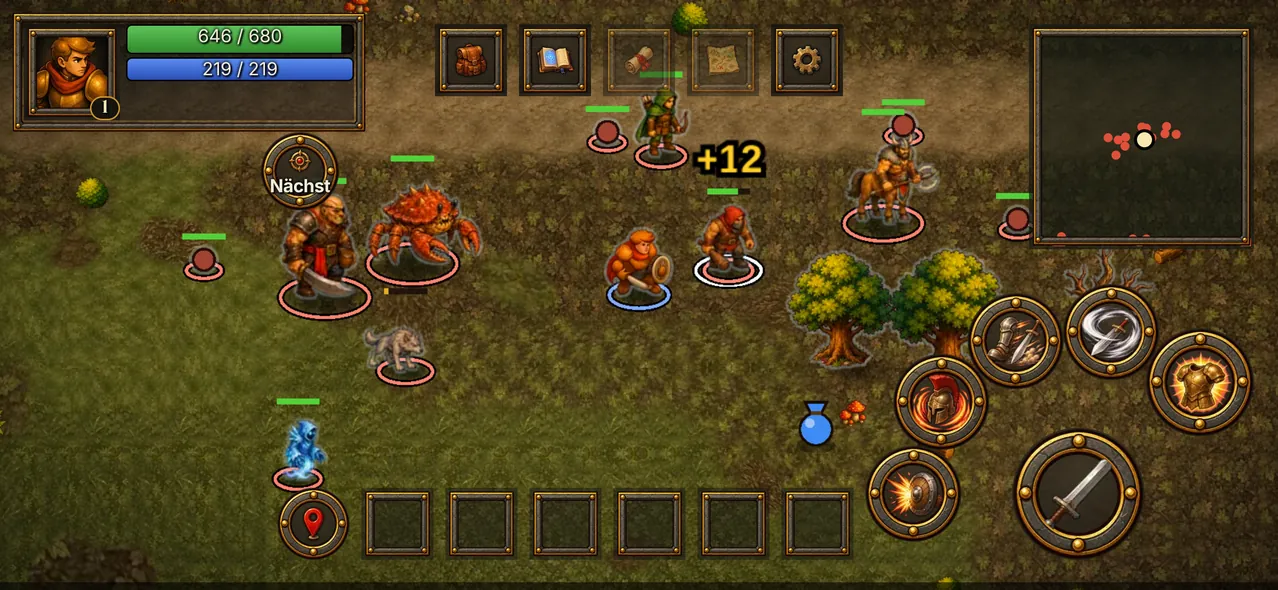
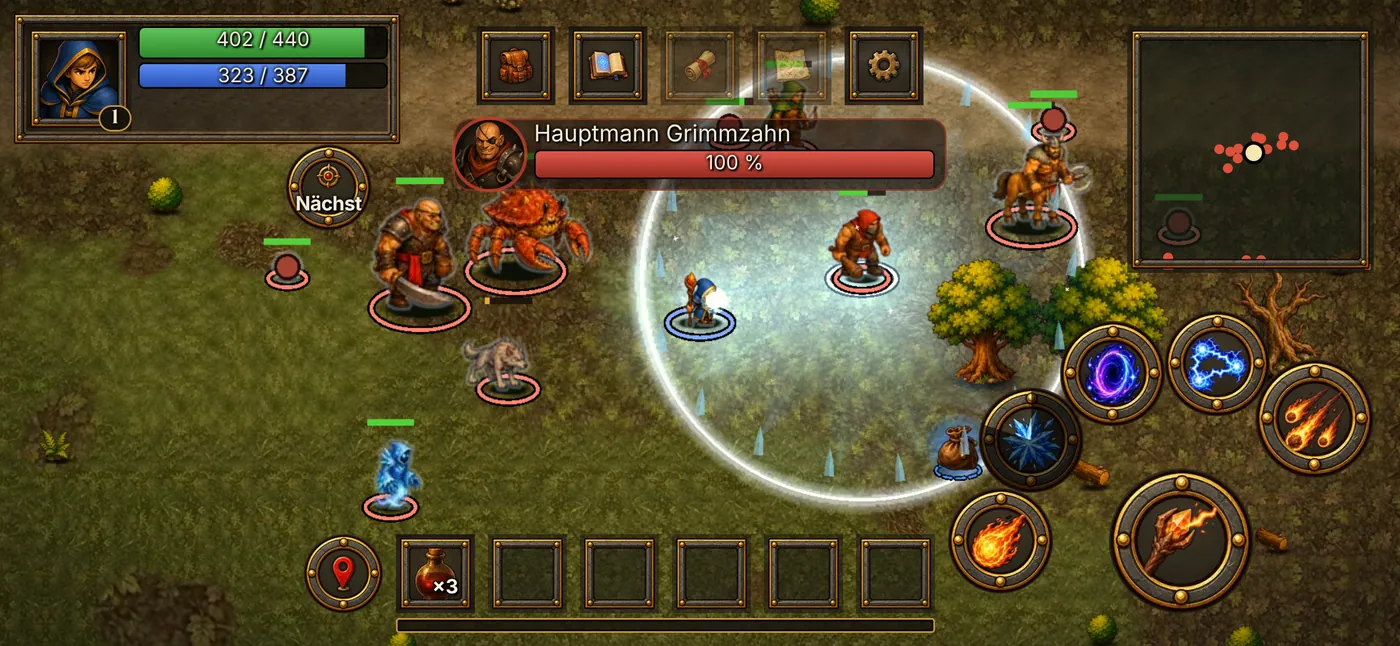
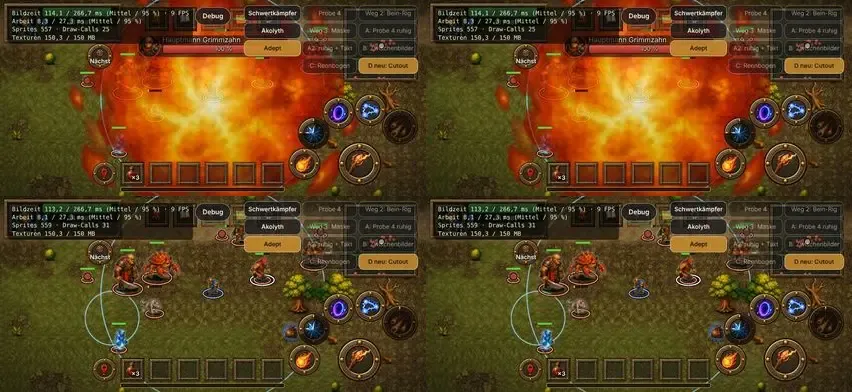
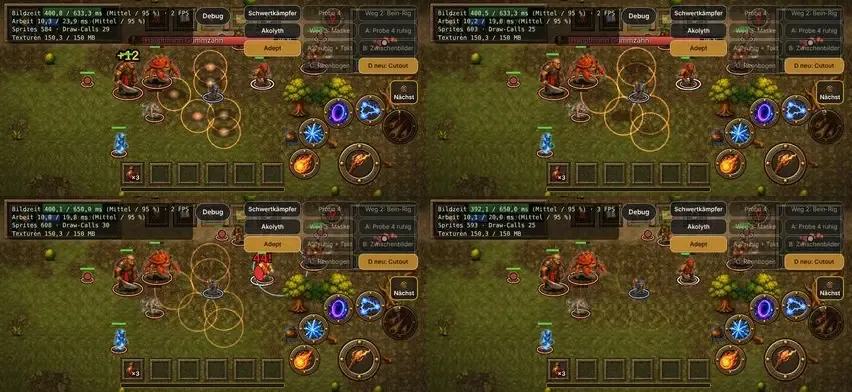
Every day since the first idea. The gauge keeps count as you scroll: commits, shifts, finished packages and the estimated time Jens put in himself.
4Oct, Sun
Day 1
Idea
A Sunday afternoon question
Jens opens a chat: a game like Warcraft III: The Frozen Throne, but for the phone. Claude researches what made the game so special back then – heroes, the World Editor, the custom maps, Battle.net.
Chat „Warcraft 3 PWA Spielkonzept“
Decision
No tower defense
Six minutes later the course correction: they'd done tower defense plenty of times. Jens remembers a mode where you take one of twenty heroes and conquer a huge map, three of you in co-op or against each other. That becomes Titan Slayer.
Chat „Warcraft 3 PWA Spielkonzept“
Decision
The name
Claude's working title was “Splitterkrone” (Shard Crown). Jens names the game Titan Slayer and the world Titan.
6Oct, Tue
Day 2, 1 commits
Milestone
The starter kit
After two days of planning and deep research Jens puts the first commit into the repository: a five-part concept, control panel, 14 agent roles, skills, safety hooks and around 110 work packages with acceptance criteria. Everything after that is done by the AI.
Commit Startpaket
8Oct, Thu
Day 3, 1 commits
Tech
Fine-tuning before launch
Weekly reset moved to Saturday 13:00, shifts start seven minutes past the hour.
Commit von Jens
10Oct, Sat
Day 4, 77 commits, 5 shifts, 17 packages done
Milestone
The first shift
The first autonomous shift starts and takes over the skeleton from Star Slayer. By evening the Cloudflare Access login works and the first build is live.
Dead end
OpenAI blocked
The art pipeline is ready, but the cloud environment won't let it reach OpenAI. 35 minutes later the network block is lifted.
Decision
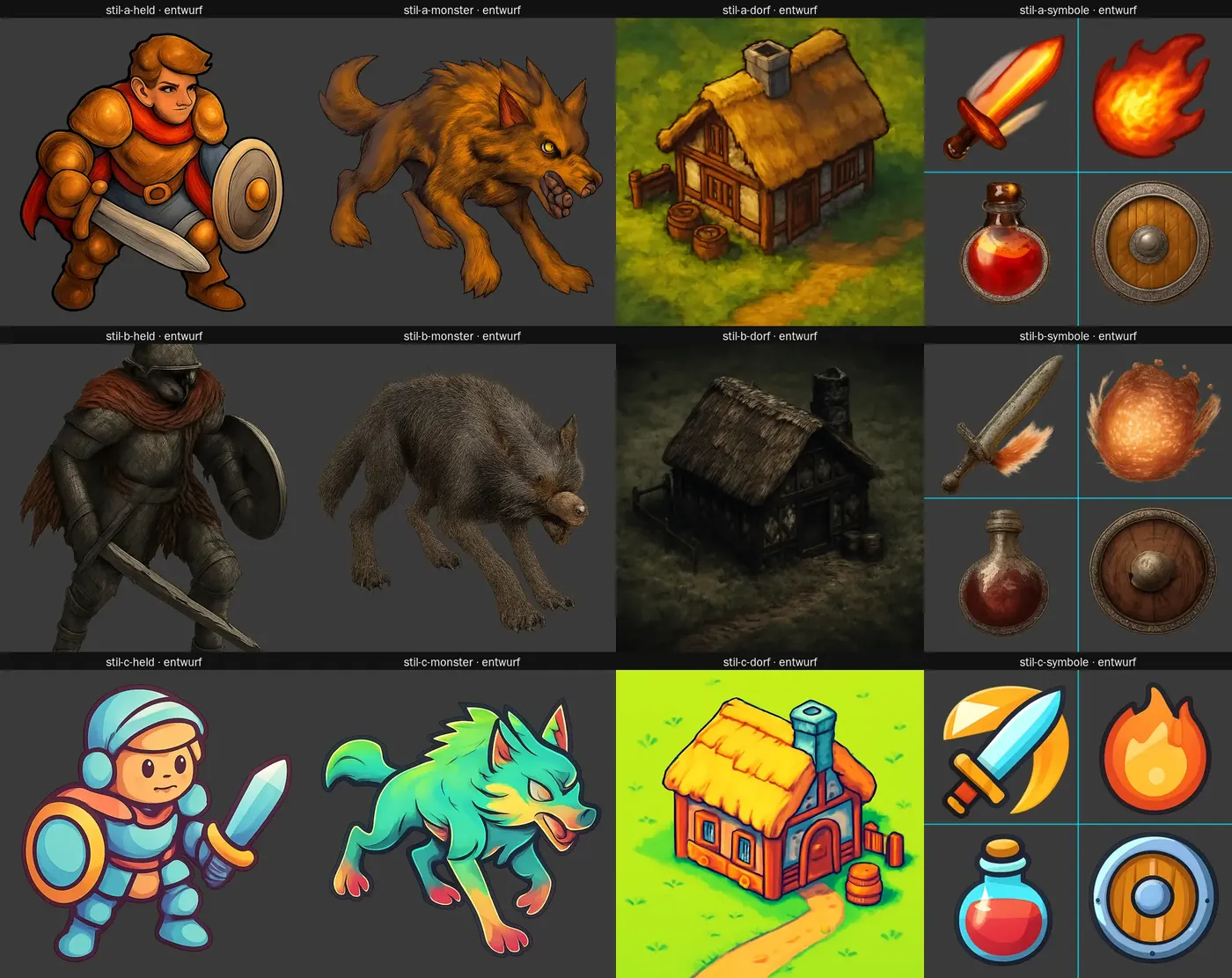
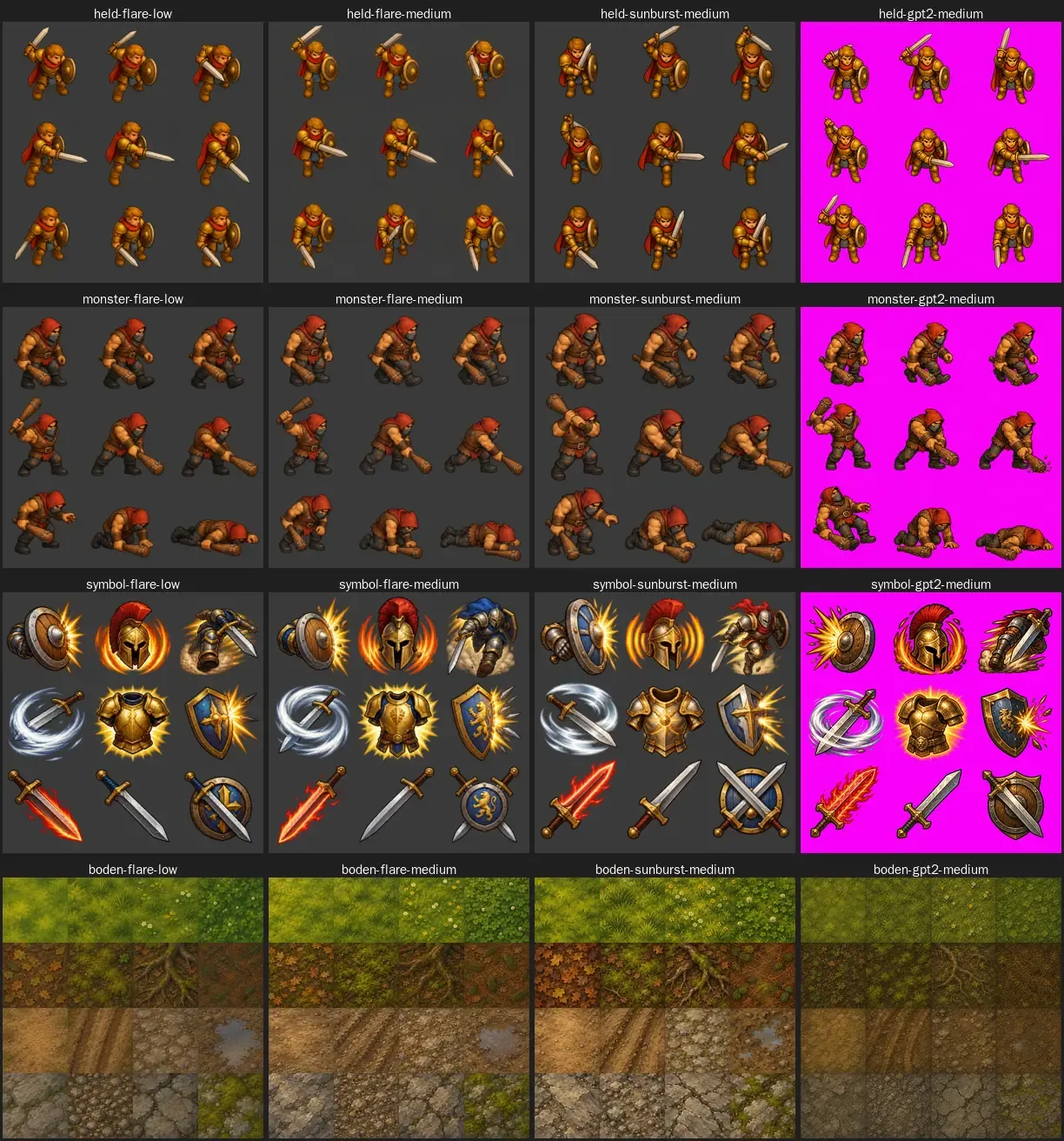
Style A
Out of three variants Jens picks the warm, classic style. Plus the plan to rebuild an old Warcraft III map as the first world.
11Oct, Sun
Day 5, 302 commits, 8 shifts, 42 packages done
Gate
Gate 1 signed off
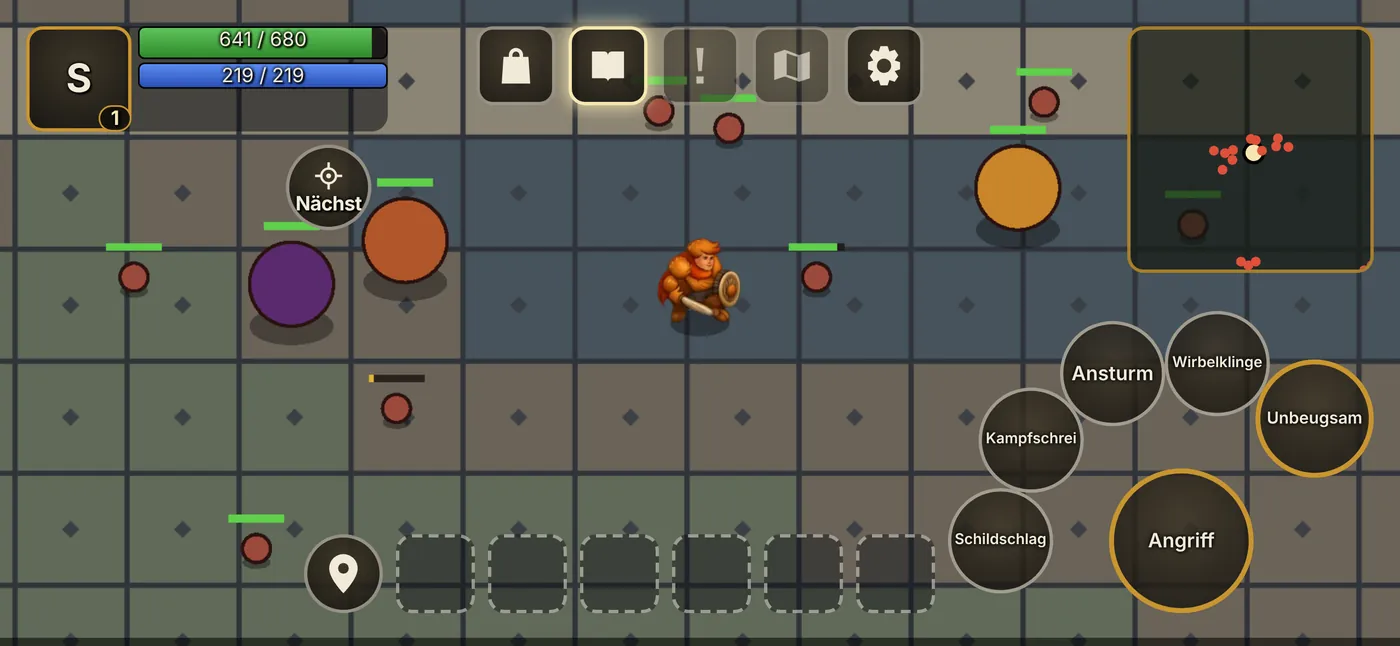
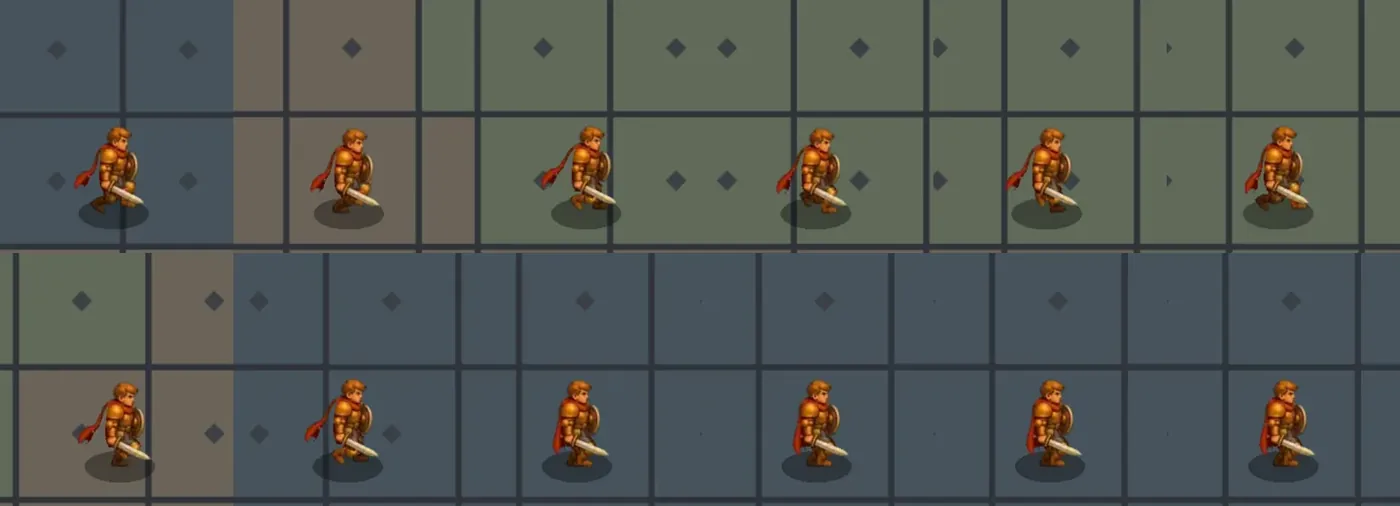
Version 0.1.0, tested alone on the iPhone 16. Everything runs cleanly at about 60 frames per second. Jens picks fast turning, a floating joystick, medium zoom – and painted frames instead of a part rig, because the rig wobbles while walking. Characters and movement, he says, are everything.
docs/tore.md, E-041
Dead end
A shift gets lost
Build teams had only committed locally; the container was discarded. Four finished packages and half of a fifth are gone. Since then: push after every commit.
E-048
Dead end
The leg that never switches
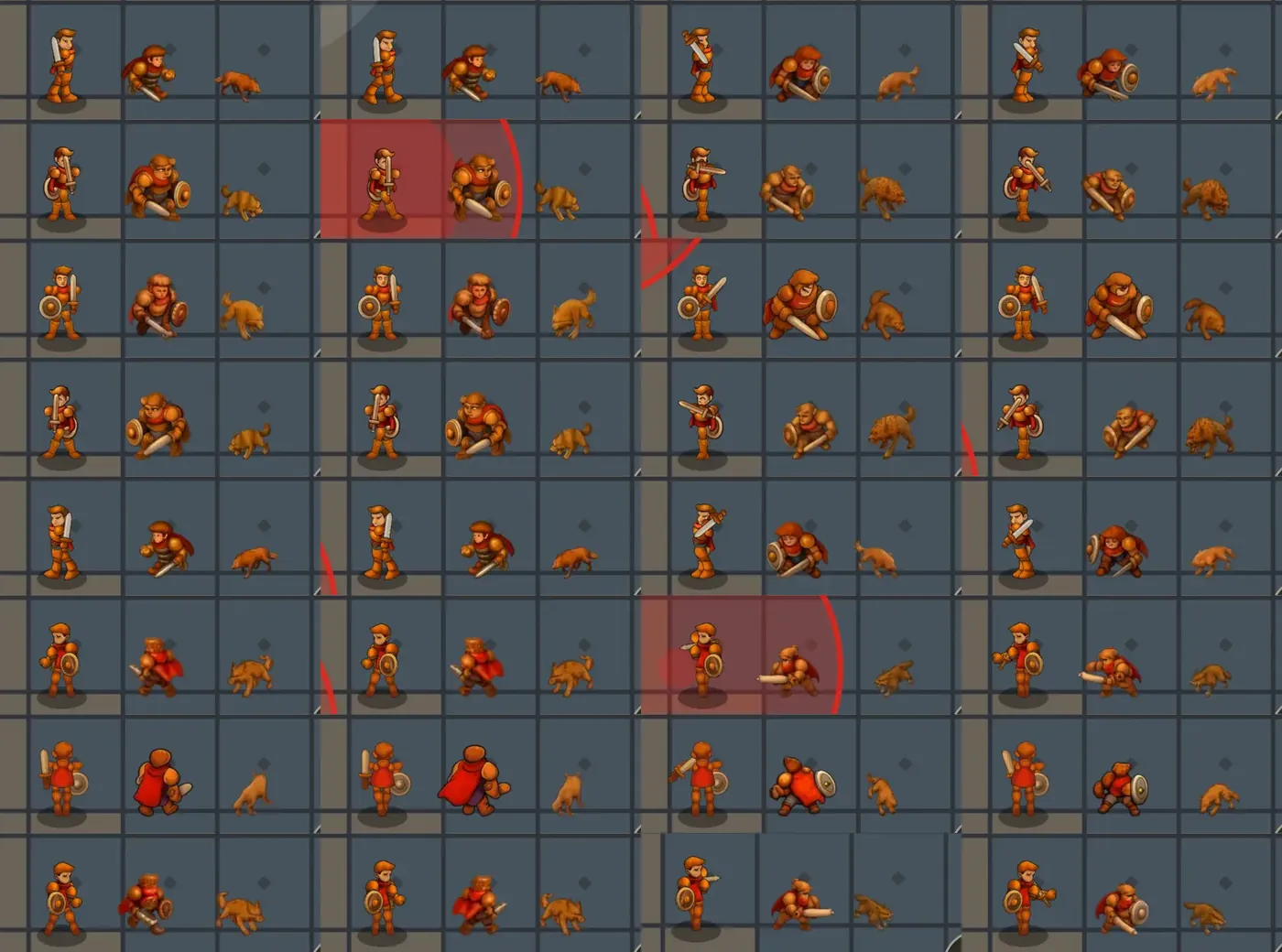
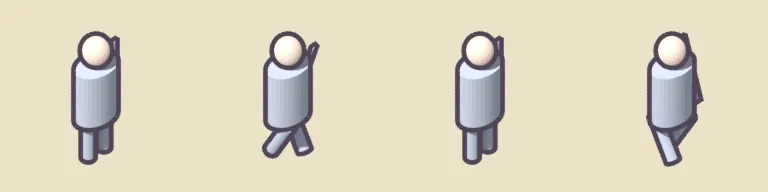
Five painted walk tests, the same flaw: the image model copies the reference's leg position. The budget for hero sheets is raised step by step.
Art & audio
The first real biomes
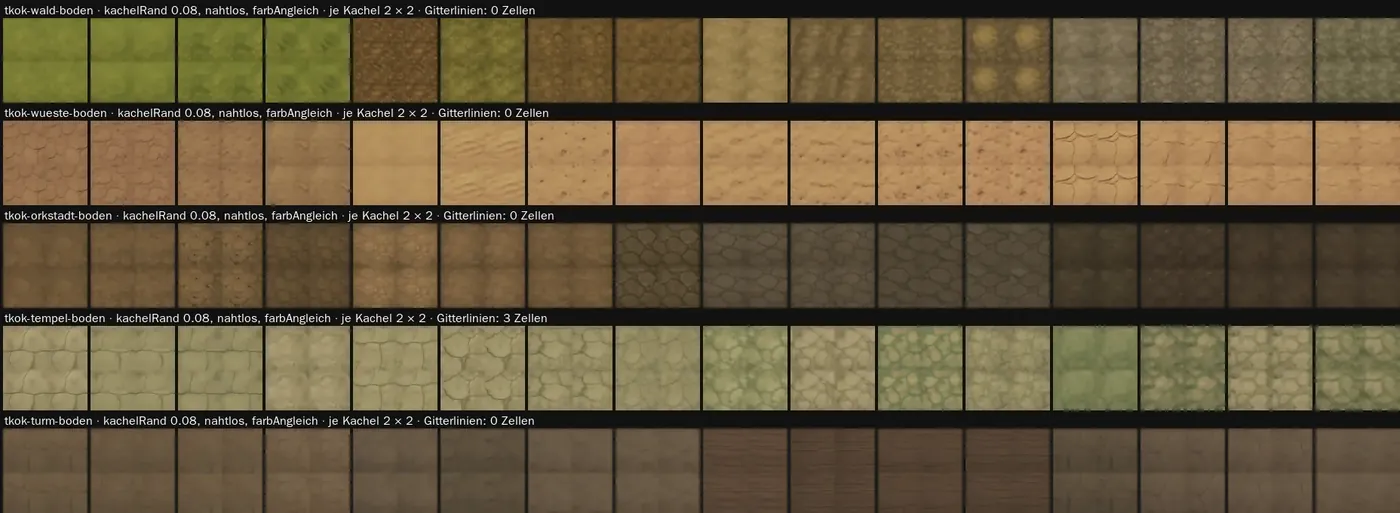
Forest, desert, orc town, temple and tower – the first art request, approved in full.
12Oct, Mon
Day 6, 327 commits, 7 shifts, 39 packages done
Dead end
Rig, mask, research
The leg rig prances, the mask correction makes the figure jump, in-betweens from the image model wobble. Jens releases budget for dedicated walk research: the goal is still a perfect walk.
Decision
Path D
Upper body painted, legs in code with motion curves from animation craft. Then the AI finds the cause of the jitter: not the images, but the interpolation.
E-101
Gate
No more stutter
Jens signs off path D. Only the cape still hangs like a long braid and should swing more.
E-108
Tech
API credit for reviews
The API credit included in the subscription gets a job: art checks via image analysis and code reviews.
13Oct, Tue
Day 7, 20 commits, 1 packages done
Idea
Alone first, then three
Gate 3 gets split: Jens explores the first world alone so his friends are amazed when they first connect. An intro with a narrator is added too.
E-115
Milestone
Pause
The weekly quota is almost used up. No shifts until 16 October; planning continues in chat – liveliness, art upgrade, bestiary.
14Oct, Wed
Day 8, 4 commits
Idea
The bestiary grows
28 new base types: orcs as a war faction, trolls, ogres, dragons up to a world dragon, mimics in five percent of chests. And four dark heroes you first fight and later play.
16Oct, Fri
Day 9, 8 commits
Decision
New image models
Jens has the new 2.5-series models compete with the current one. Until the comparison is done, no final images.
Dead end
Outdated models
Jens notices himself that the pipeline still uses older image models although newer ones are available. Claude had missed it and owns the mistake.
17Oct, Sat
Day 10, 274 commits, 11 shifts, 25 packages done
Dead end
Stopped by its own filter
Two shifts abort: the safety filter mistakes adjusting test values to new budget limits for removing security tests. main stays red until Jens steps in.
Milestone
AJ Slayer Studios
The studio intro from Star Slayer now also plays before Titan Slayer.
Tech
Two shifts in parallel
For the weekend two slots work at once. Up to four build teams run on four cores – the project's longest shift takes 254 minutes and integrates a single package.
Tech
The shift collector
From now on every shift is measured: duration, tokens, sub-agents, test runs. The numbers on this site are based on that.
18Oct, Sun
Day 11, 450 commits, 15 shifts, 34 packages done
Dead end
Off-the-shelf voices
The first voice test with OpenAI is unusable except for one recording. That same morning the switch to ElevenLabs is decided.
E-135
Art & audio
Casting on the phone
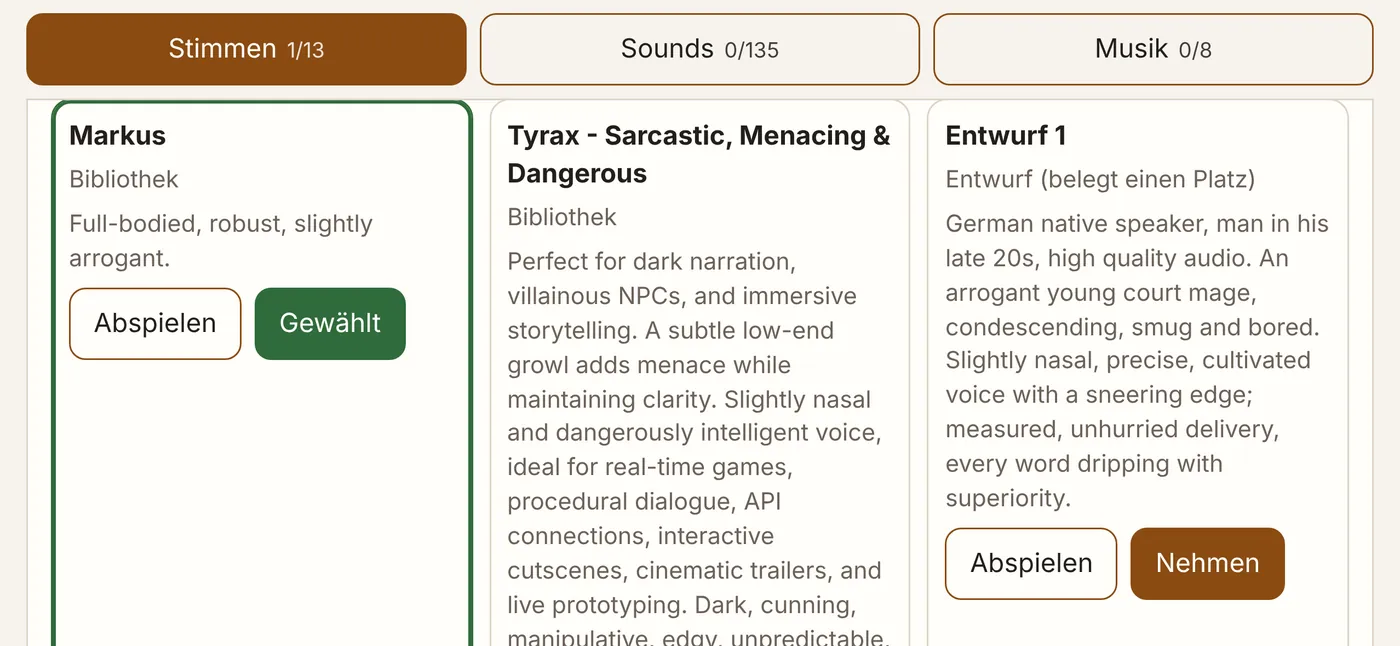
A dedicated test page for tapping through voice candidates. By evening 13 voices, 129 sounds and 8 music tracks are picked.
Dead end
Rollback
A large animation package is taken back out of main because a click test turns red.
Decision
The harness rebuild
Claude analyses 15 shifts and finds that the tooling, not the code, is the bottleneck. Jens adopts rebuild H1 to H10.
E-150
Art & audio
Frames like back then
The controls get painted frames in the style of the Warcraft III interface.
19Oct, Mon
Day 12, 305 commits, 7 shifts, 23 packages done
Art & audio
Real terrain
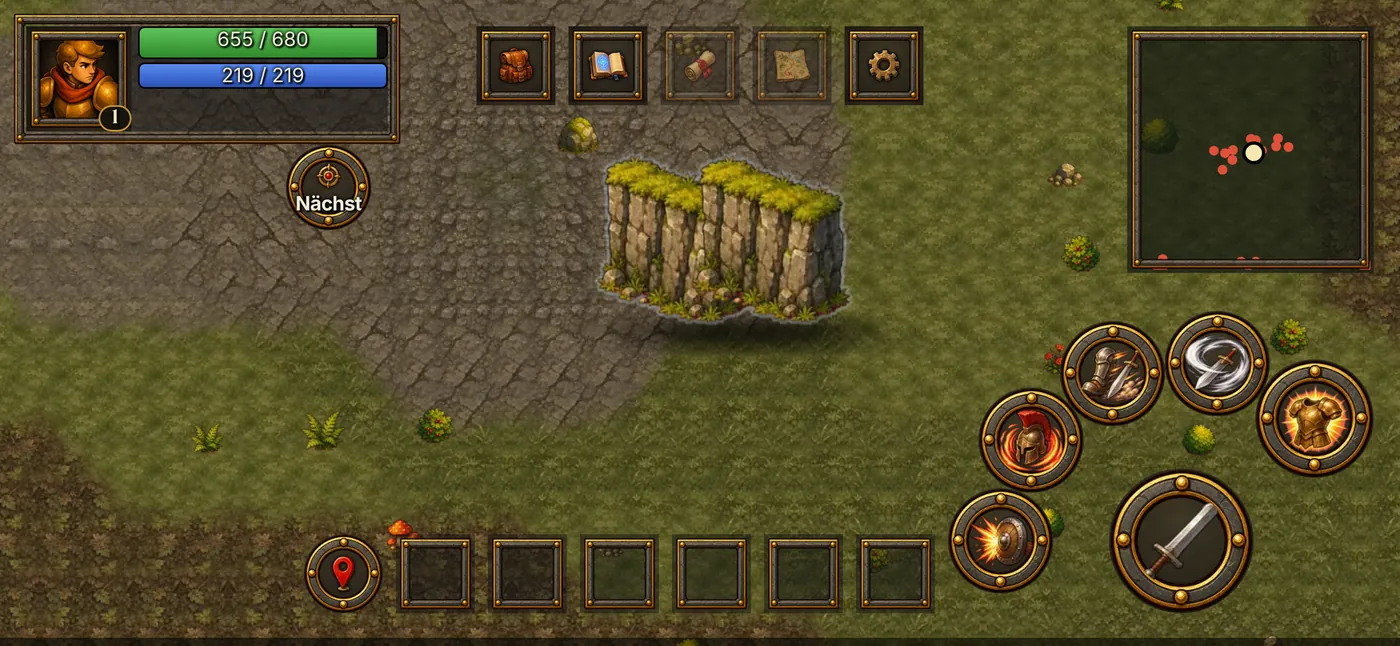
The chequered graybox gives way to a painted forest with cliffs and paths.
Gate
Critique from a screenshot
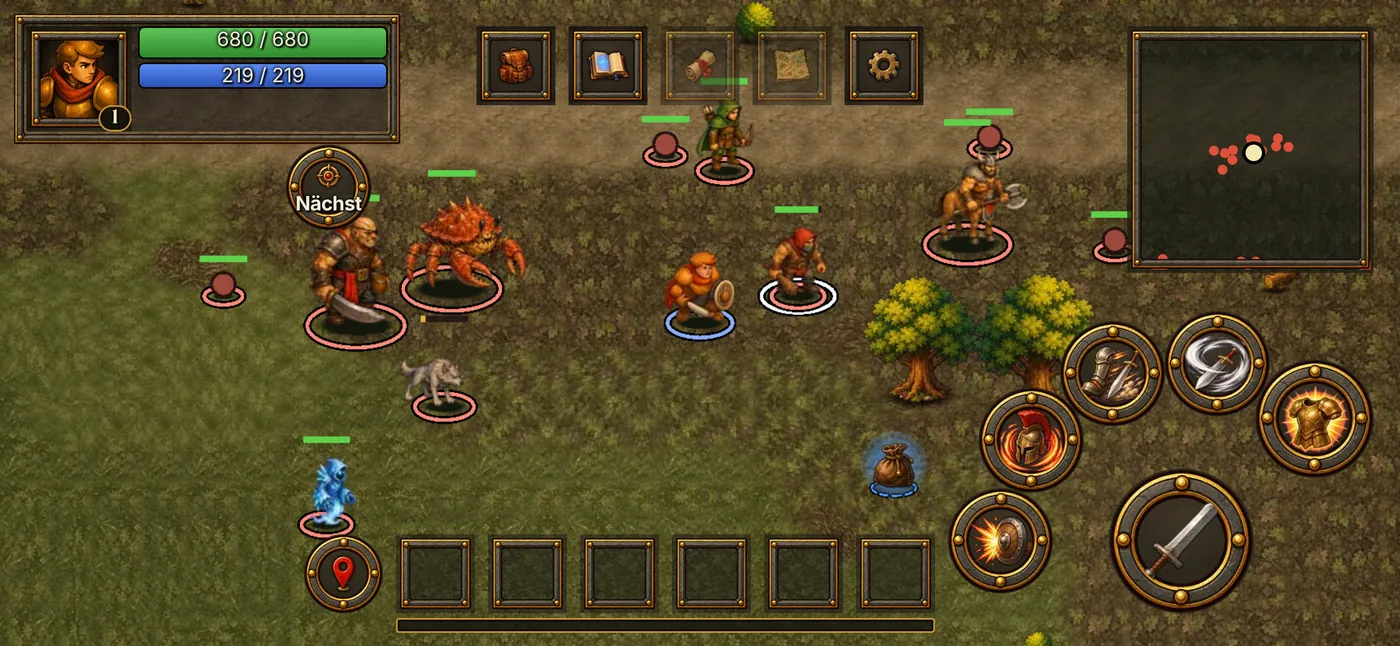
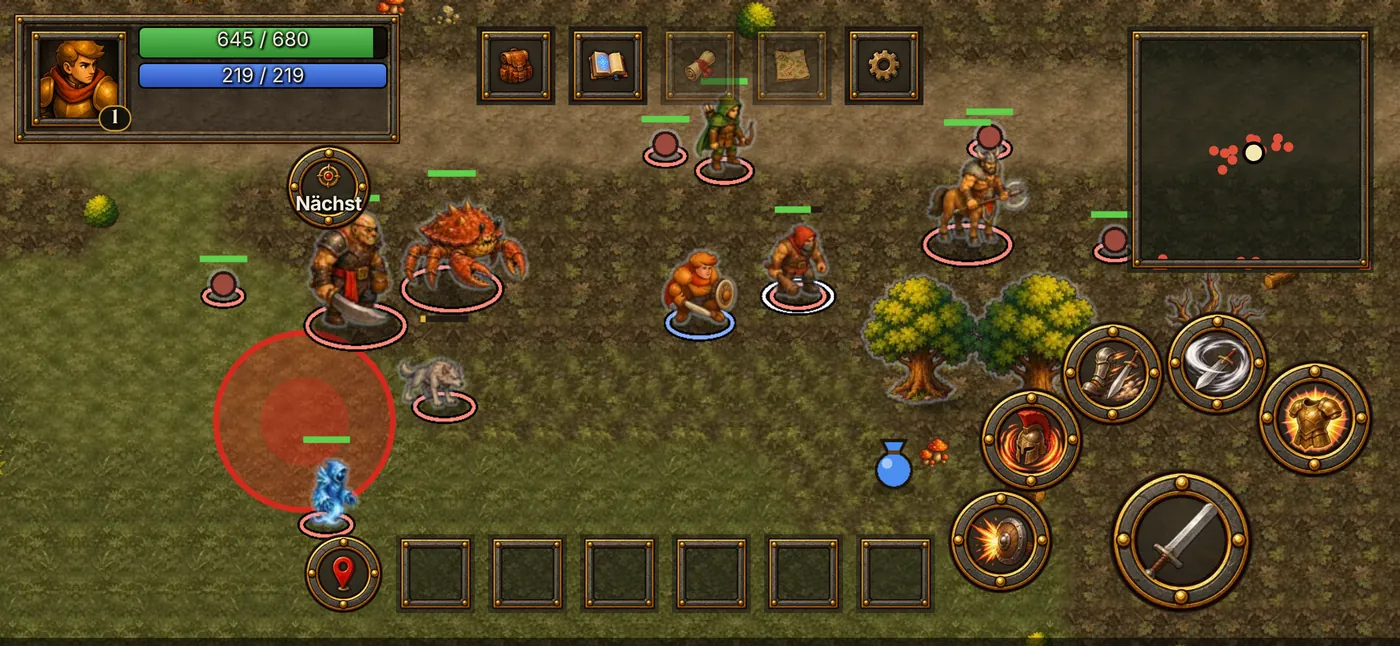
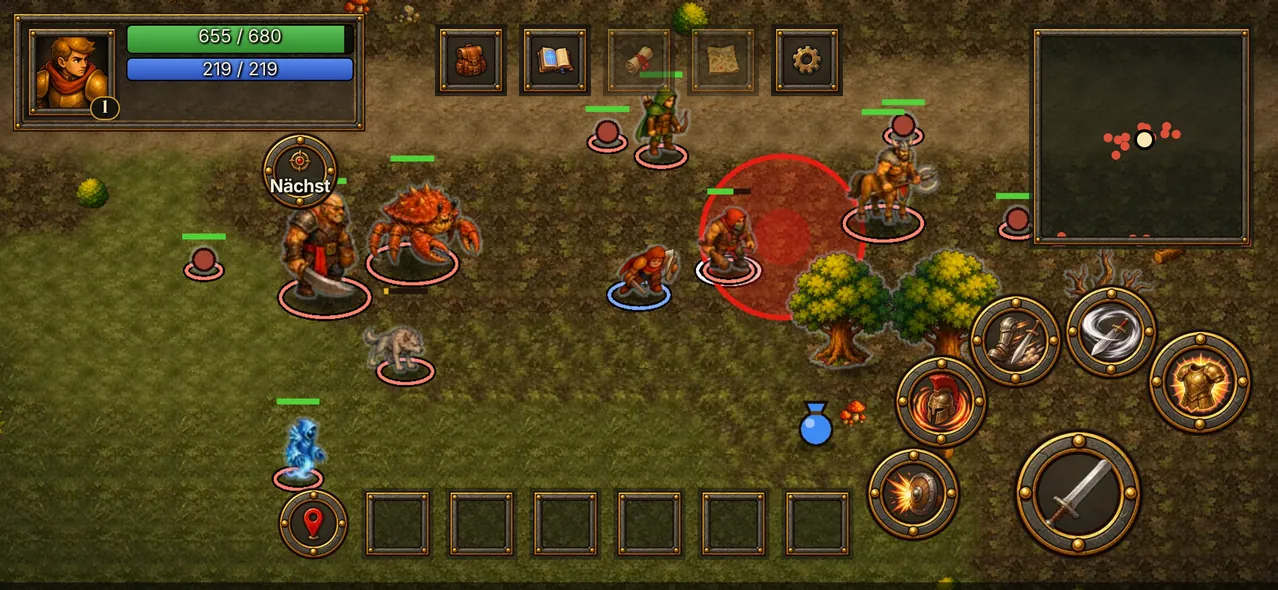
Jens: characters float, the ground looks like wallpaper, the potion should be an old glass bottle. That becomes six packages.
Tech
150 to 17
A different software renderer in the container: the test scene now runs at 17 instead of 150 milliseconds per frame.
E-162
Art & audio
Painted spells
The first painted spell effects are in the game.
Idea
The blue potion
Jens asks for the bright blue potion to become an old glass bottle. Turns out it wasn't a potion at all, but the loot bag drawn in code.
20Oct, Tue
Day 13, 347 commits, 9 shifts, 30 packages done
Milestone
Gate 2 ready
Version 0.2.0: three classes, a dummy boss, four camp types, loot, saving, sound.
Gate
Gate 2 signed off – with clear words
Measurements perfectly smooth, saving works, camps fair. But the animations look bad, area spells are one giant cloud, and you have to see every shot fly. Jens decides: art and movement first, then new content.
E-179
Tech
Motion feel
Wind-up, strike, a brief hit-stop of 65 to 120 milliseconds, bobbing while walking. Frame rate and walking speed are now linked.
Dead end
A rule broken
In chat Jens names 41 as the number of allowed shifts for the week. The chat session writes the value into the control panel itself – although only Jens may change control values – and reports the breach straight away.
21Oct, Wed
Day 14, 167 commits, 4 shifts, 18 packages done
Gate
Almost every spell better
After the effect packages: almost all spells are much better. But the painted enemies look more alive than the heroes. From Saturday, movement becomes the top priority.
E-189
Decision
Test every path
A big plan emerges in chat: 3D with Meshy and Blender too, video too. A Blender test starts right away.
Decision
On second thought
Two hours later: no 3D, no video. 3D would only work for human-like figures, and then heroes and creatures wouldn't match any more. At 21:11 the paper doll is cut too. Heroes will be painted frame by frame.
E-192, E-193
22Oct, Thu
Day 15
Milestone
This site
Jens and Claude plan titan-slayer.com in a question-and-answer session. The first version with everything so far is up the same evening.